KALRO Supports Kenya’s Climate Goals at the 9th Kaptagat Conservation Programme
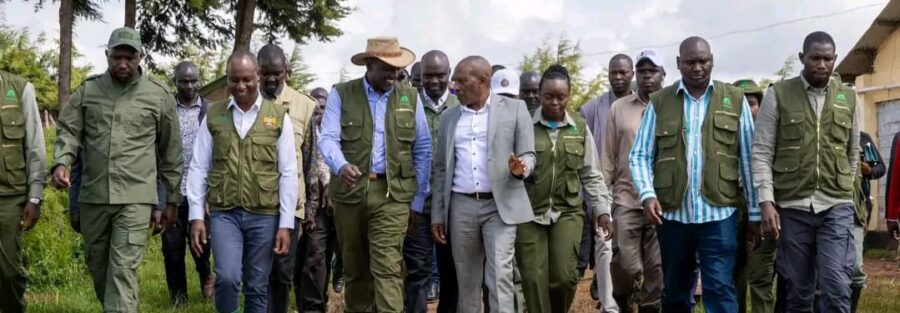
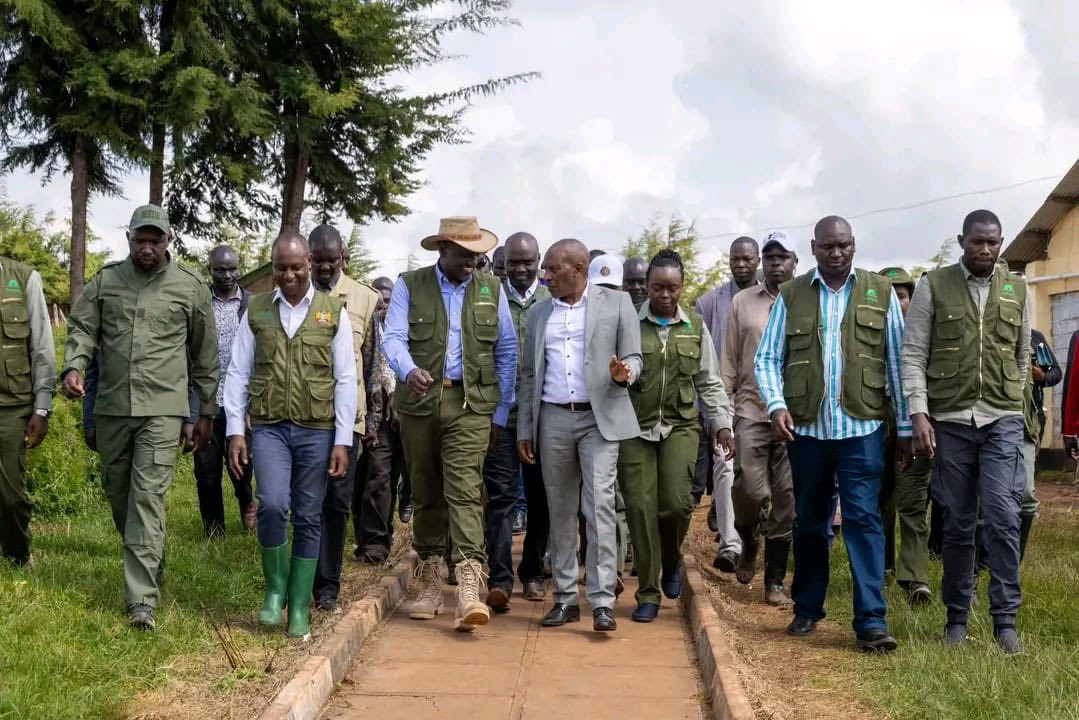
H.E. President Dr. William Ruto and key officials arrive at the 9th Kaptagat Integrated Conservation Programme.
The Kenya Agricultural and Livestock Research Organization (KALRO) played a central role at the 9th Edition of the Kaptagat Integrated Conservation Programme. Hosted in Elgeyo Marakwet County and led by H.E. President Dr. William Ruto, the event brought together key stakeholders in Kenya’s climate action agenda.
KALRO Chairman Dr. Thuo Mathenge, joined by senior management, reaffirmed the organization’s dedication to land restoration, climate-smart agriculture, and sustainable livelihoods.
Advancing the Kaptagat Restoration and Livelihoods Programme
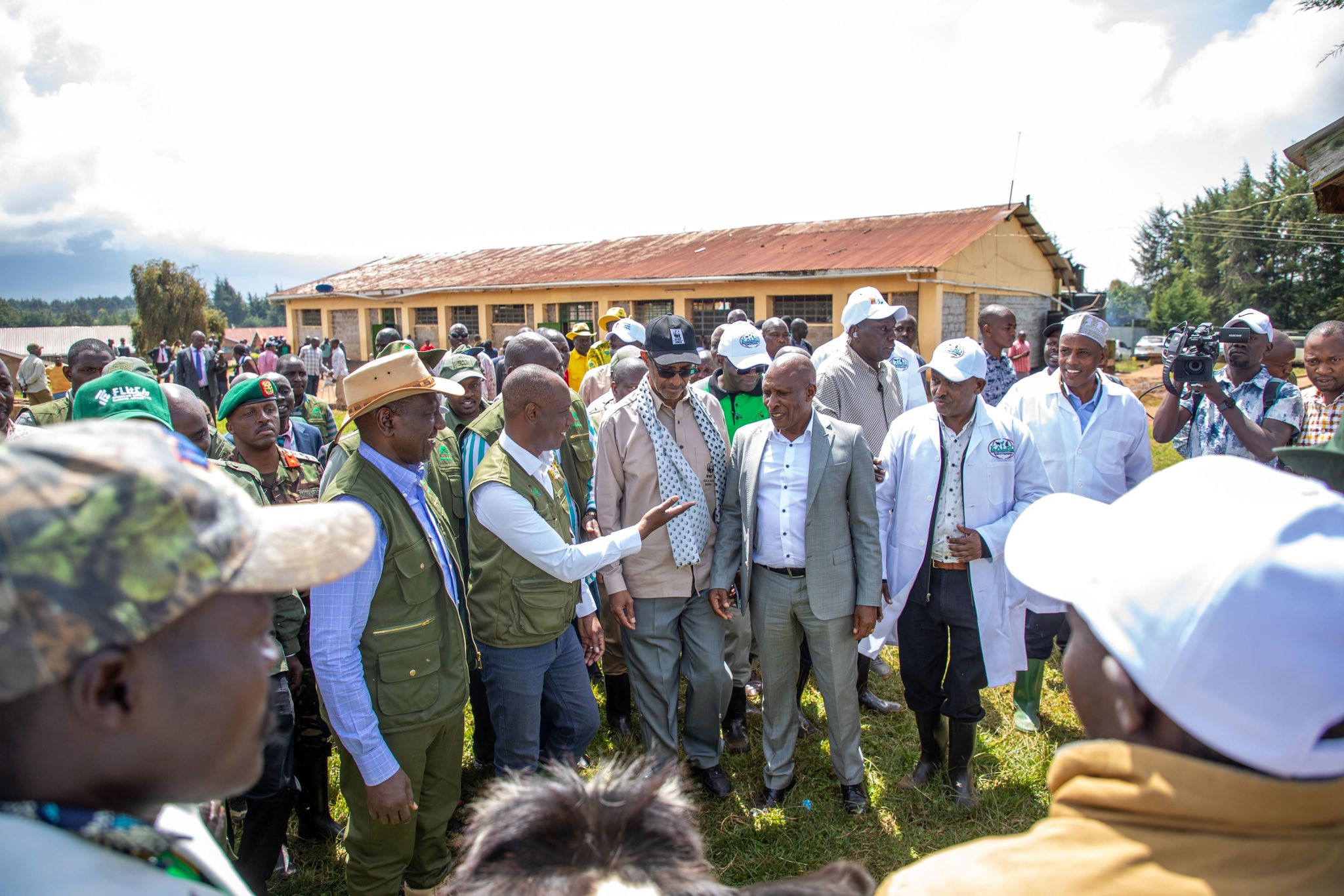
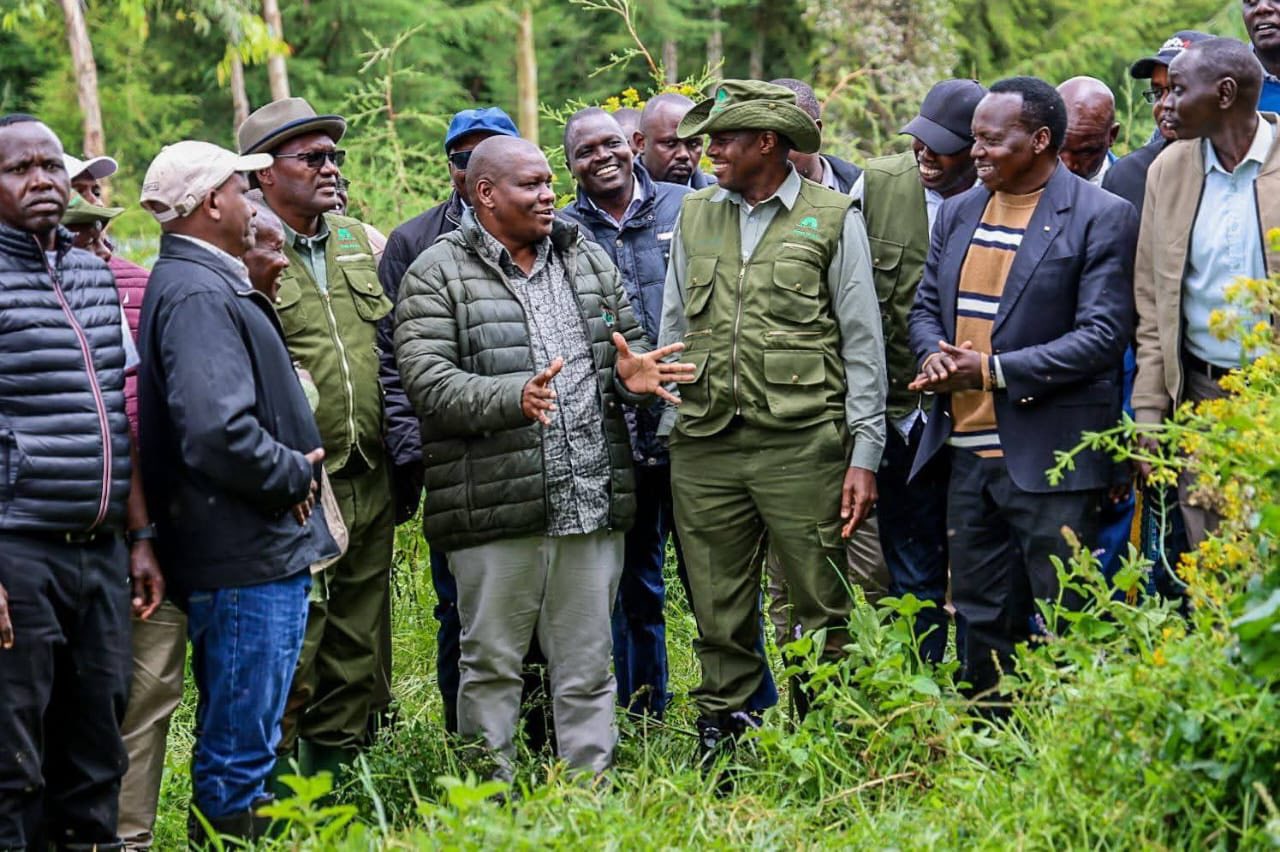
Community members and stakeholders engaging during the Kaptagat event.
The Kaptagat Restoration and Livelihoods Programme supports reforestation, food security, and rural development through its unique “One Km One Acre One Cow” model. This initiative helps restore degraded land, promotes fruit tree farming, and integrates livestock into smallholder farming systems.
Key achievements so far include:
Restoration of 2,765 hectares of forest
Distribution of 300,000 avocado seedlings
Direct contribution to Kenya’s 15 Billion Tree Growing Campaign
KALRO’s Role in Climate-Smart Agriculture
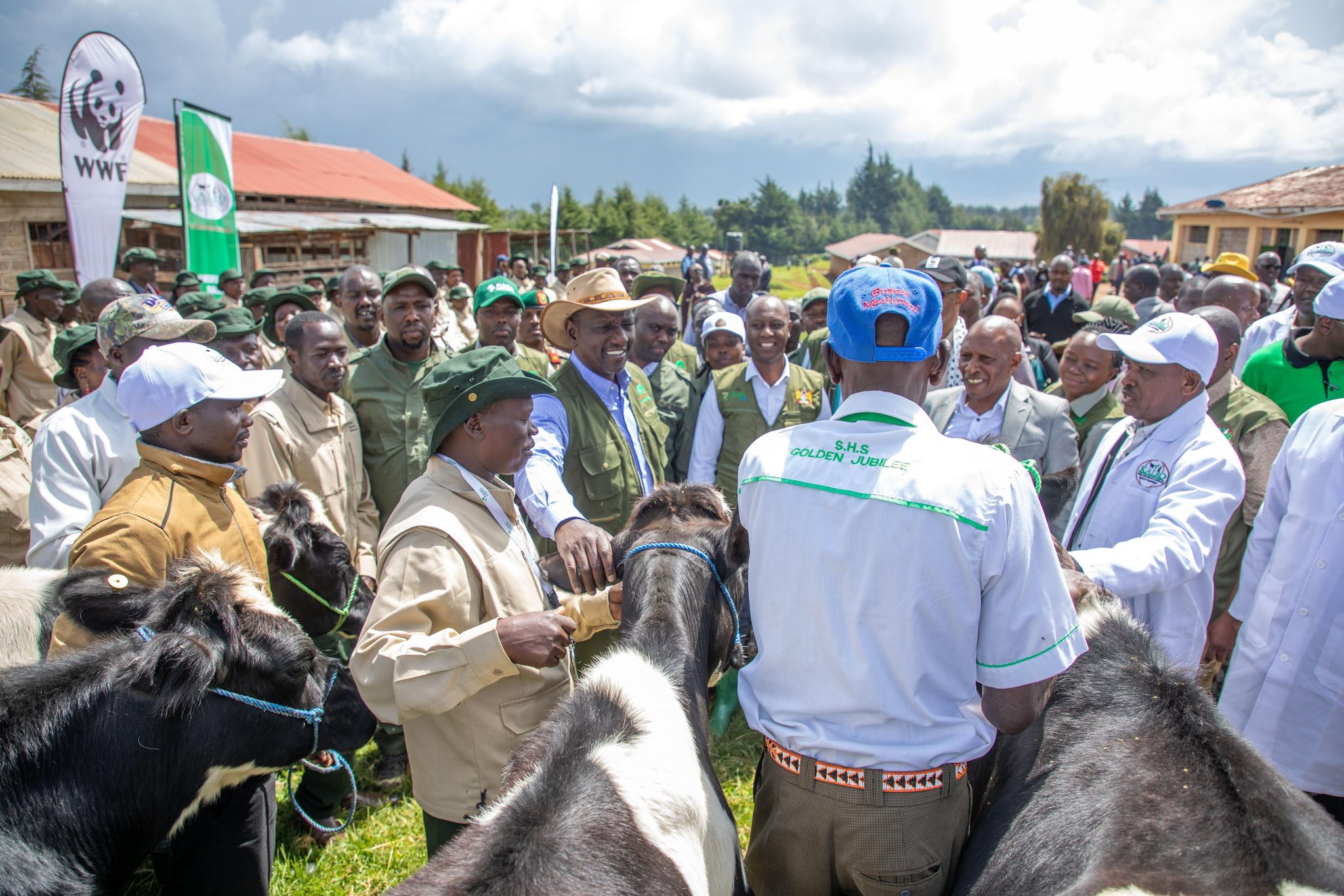
KALRO and partners promote livestock integration through the 'One Cow' model.
KALRO plays a critical role in building climate resilience through science-based interventions. Its focus on agroforestry, livestock integration, and sustainable farming practices equips farmers to adapt to climate change and boost productivity.
By offering improved seedlings, research-based techniques, and policy support, KALRO empowers communities to take charge of their environment and livelihoods.
Strengthening Green Growth and Partnerships
KALRO Chairman Dr. Thuo Mathenge and stakeholders discuss field interventions.
The success of the Kaptagat Programme is a result of strong partnerships across government, civil society, and local communities. It aligns with Kenya’s long-term development and climate goals, including:
The Climate Smart Agriculture Strategy
Kenya Vision 2030
The Green Economy Implementation Plan
By combining local action with national policy, the programme provides a model for sustainable development.
Looking Ahead
Stakeholders unite for climate resilience and sustainable agriculture at Kaptagat.
As Kenya works toward restoring 15 billion trees by 2032, initiatives like Kaptagat show how restoration and livelihoods can go hand in hand. KALRO’s role in this transformation is vital from supporting farmers to scaling up innovations that protect ecosystems and boost food security.
Together, government agencies, farmers, and communities are setting a new standard for climate resilience and inclusive growth.
Consultio comes with a beautiful collection of modern, easily importable, and highly customizable demo layouts. Any of which can be installed via one click.